
Mobile Office Pod Indoor Price: Key Cost Factors & Buying Guide 2026
What Determines Indoor Mobile Office Pod Pricing?
For modern businesses, co-working spaces, property developers, and facility managers, mobile office pods have become essential indoor furniture solutions to solve open-plan noise issues, privacy shortages, and flexible workspace demands. When browsing the market, one question consistently stands out among buyers: what affects mobile office pod indoor price, and how can you avoid common purchasing pitfalls?
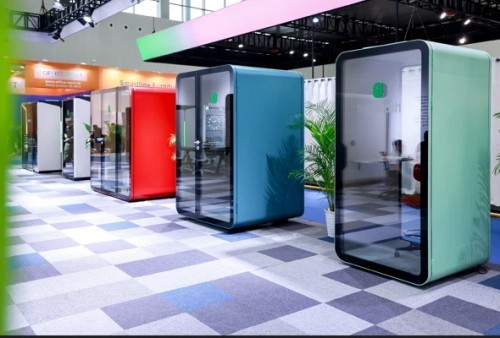
The pricing of indoor mobile office pods varies dramatically across suppliers. Many buyers easily fall into the trap of judging value solely by the initial purchase cost. However, a reasonable budget decision requires a clear understanding of core manufacturing differences, material grading, technical iteration, and structural design. This article breaks down the key pricing factors, explains why premium pods cost more, and provides practical purchasing advice for long-term investment value.
Core Factors That Influence Mobile Office Pod Indoor Price
01
Size & Occupancy Capacity
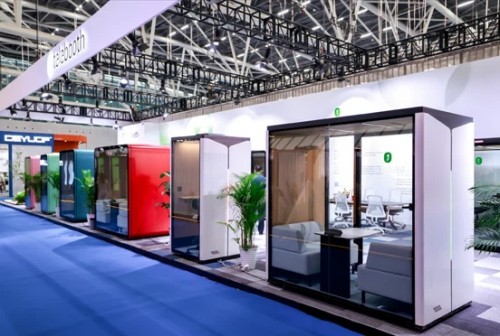
Pod dimension is the most intuitive factor affecting overall cost. Indoor mobile office pods are generally classified into single-person pods, 1–2 person workstations, and compact multi-person meeting pods. Larger occupancy requires expanded structural frames, thicker acoustic wall panels, upgraded ventilation equipment, and extra interior accessories. Logically, the bigger the space, the higher the manufacturing and shipping cost.
02
Acoustic Insulation Performance
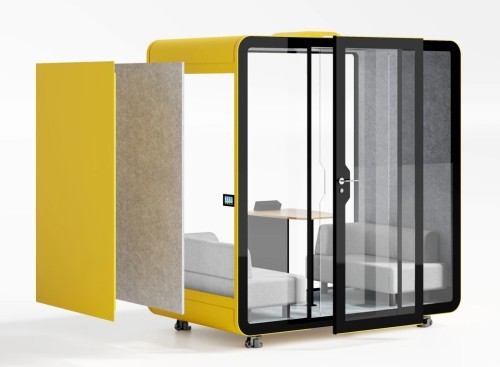
Sound insulation grading directly differentiates entry-level pods from commercial-grade products. Basic low-cost pods only achieve weak daily noise reduction with simple cotton insulation materials. In contrast, industrial-grade acoustic pods reach 31dB+ Class A noise reduction, adopting multi-layer composite acoustic panels, sound-absorbing cotton, and laminated glass. High-standard acoustic materials significantly raise production costs while ensuring clear calls and undisturbed focused work in busy indoor environments.
03
Ventilation System Generation
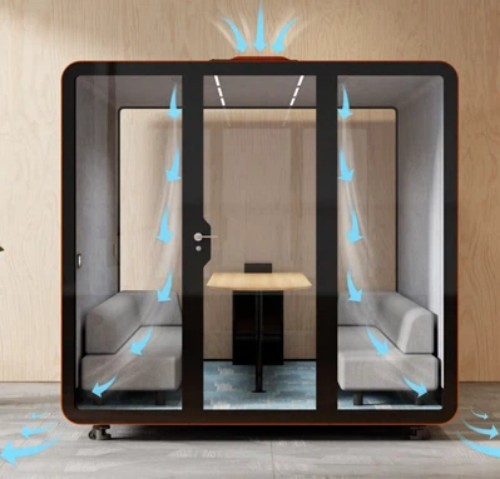
Ventilation has become the most critical hidden pain point in the acoustic pod industry. The ventilation iteration gap creates obvious price tiers across the market. Early basic exhaust systems simply discharge air with loud fan noise and poor air circulation. The second-generation silent ventilation optimizes fan noise but lacks intelligent airflow control. The third-generation intelligent fresh air system - preferred by high-end commercial clients - delivers stable silent ventilation, continuous air exchange, temperature balance, and maze-type soundproof air ducts to prevent noise leakage. Advanced ventilation technology inevitably increases R&D and assembly costs.
04
Frame & Exterior Material
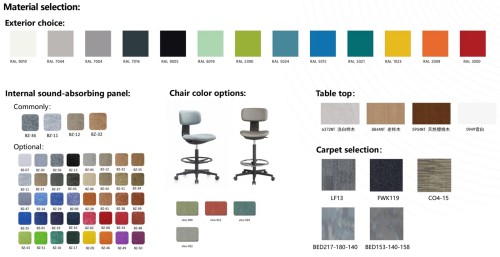
Material quality determines service life, durability, and exterior texture. Three mainstream frame materials dominate the market: ordinary wooden composite boards, lightweight aluminum frames, and high-standard metal sheet frames with AkzoNobel powder coating. Ordinary boards suffer from easy deformation, paint peeling, and poor durability. Aluminum frames balance weight and stability. Meanwhile, sheet metal frames with AkzoNobel powder finishing provide corrosion resistance, scratch resistance, weather resistance, and long-term uniform appearance, which is widely adopted for commercial and engineering-grade pods.
05
Customization Configuration
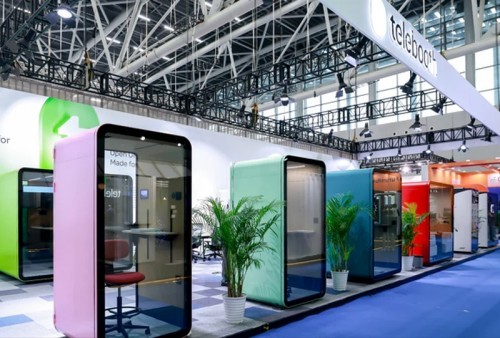
Customization flexibility further differentiates final pricing. Customizable options include personalized exterior and interior colors, ergonomic built-in tables and seats, multi-functional charging ports (USB-A & Type-C), motion-sensing intelligent lighting, privacy locks, and non-slip floor carpets. Customized accessories and personalized production bring extra labor and manufacturing costs, meeting diverse brand styles and spatial decoration requirements.
06
Modular Assembly Structure
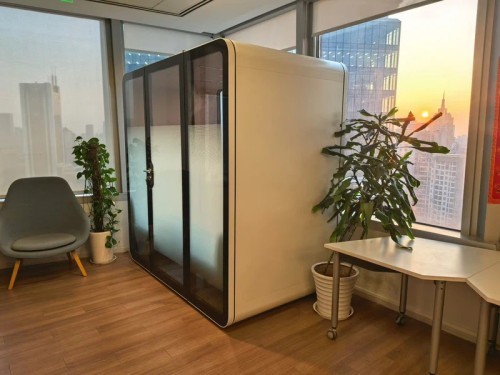
High-quality mobile office pods adopt an optimized modular assembly design. The entire pod can be fully assembled by two workers within one hour without complicated on-site construction. Most assembly complexity is completed inside the factory, greatly reducing on-site labor costs, construction time, and installation risks. Although modular production raises factory processing standards, it effectively lowers the overall long-term installation and maintenance expenditure for buyers.
Higher Price Does Not Mean Higher Cost: Understand True Product Value
Many clients mistakenly prioritize low upfront prices and overlook long-term usage defects of entry-level pods. Budget basic pods commonly suffer from obvious drawbacks: limited sound insulation, stuffy internal air circulation, easily peeling surfaces, and fixed non-movable structures. Once placed indoors, they cannot be relocated or reused.
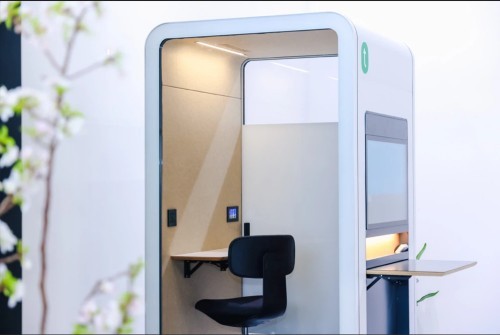
In comparison, premium professional mobile office pods deliver tangible long-term value. Equipped with third-generation ventilation systems, they eliminate stuffiness and heat during long working hours. Durable metal sheet frames prevent aging and deformation. The fully modular structure supports free movement, rearrangement, and repeated deployment in different indoor spaces. For enterprises and property owners, one-time investment equals long-term reusable assets, effectively reducing repeated renovation costs and space reconstruction expenses.
Practical Buying Tips & Avoid Common Purchase Pitfalls
To select a cost-effective indoor mobile office pod, buyers should avoid simply comparing unit prices. We recommend focusing on three core hardware indicators: professional noise reduction parameters, updated ventilation generation, and stable frame materials.
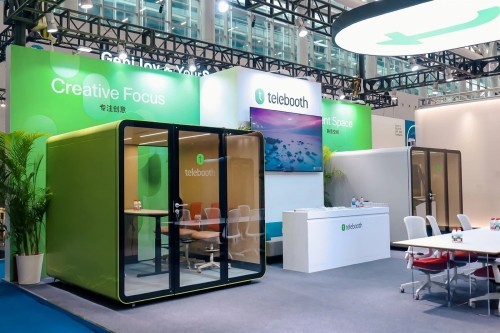
Additionally, prioritize brands that support modular assembly, flexible mobility, and personalized customization. Avoid inferior fixed pods with single functions, poor air circulation, and fragile materials. A qualified indoor mobile office pod should balance acoustic performance, human comfort, durability, and spatial adaptability.

Get real-time quotes
Interested? Leave your contact details.