
How Soundproof Workspaces Improve Focus in Open Offices
Open offices were designed to encourage speed, visibility, and collaboration. Yet the same layout often creates a steady layer of distraction. Conversations travel, calls interrupt nearby tasks, and confidential discussions become difficult to manage. That is why Soundproof Workspaces have moved from a nice-to-have furniture upgrade to a serious workplace strategy.
For companies balancing hybrid work, client-facing communication, and focused individual output, acoustic control now affects more than comfort. It shapes concentration, meeting quality, privacy, and the overall performance of the office environment. In practical terms, Soundproof Workspaces help open offices stay flexible without letting noise define the day.
Why focus becomes fragile in open-plan layouts
Most productivity loss in open offices does not come from one dramatic interruption. It comes from repeated, low-level noise. A nearby video call, a quick internal discussion, or a door opening every few minutes can pull attention away from deep work.
This matters because concentration is expensive to rebuild. When employees shift in and out of focus, task quality can drop, response times may slow, and fatigue rises across the day. Noise also changes behavior. People postpone sensitive conversations, avoid calls, or leave the floor to find privacy.
In office furniture planning, the issue is no longer just how many desks fit a floor plate. It is how different work modes coexist. Soundproof Workspaces address that gap by creating dedicated acoustic zones within a larger shared environment.
What Soundproof Workspaces really mean in business settings
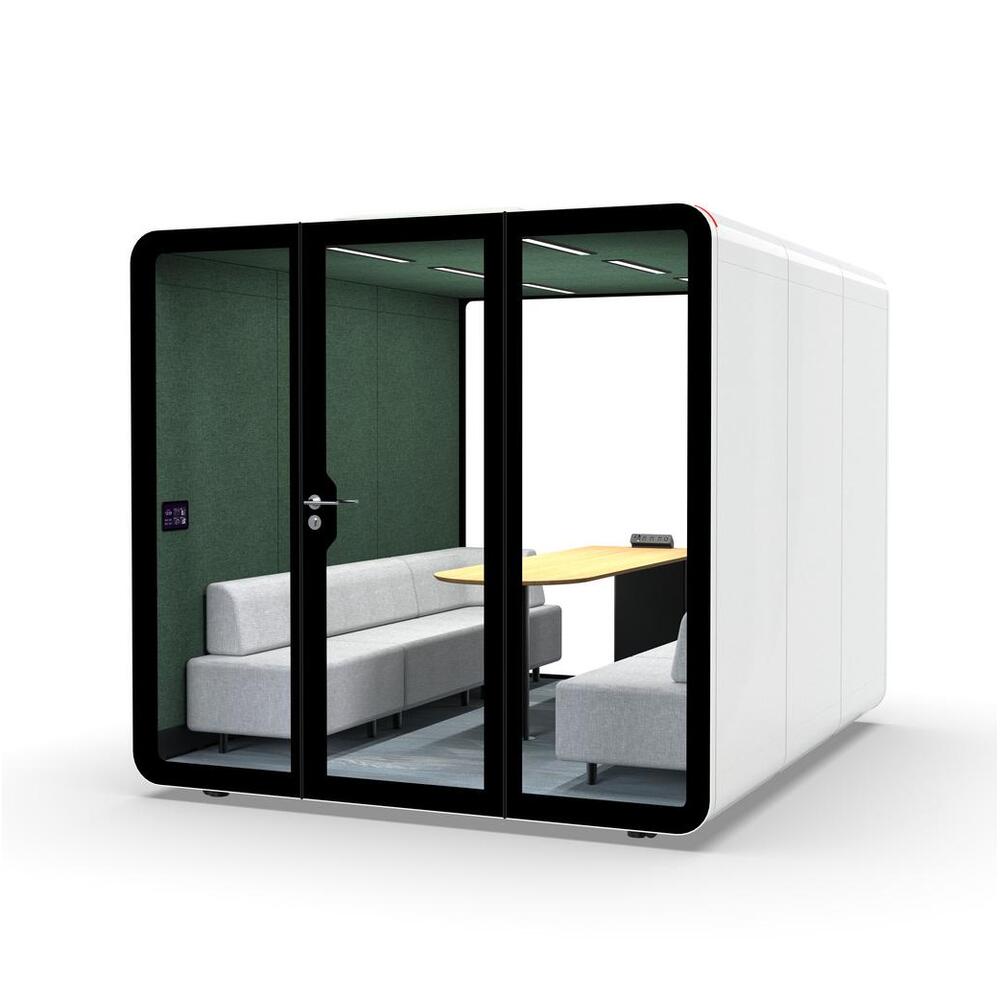
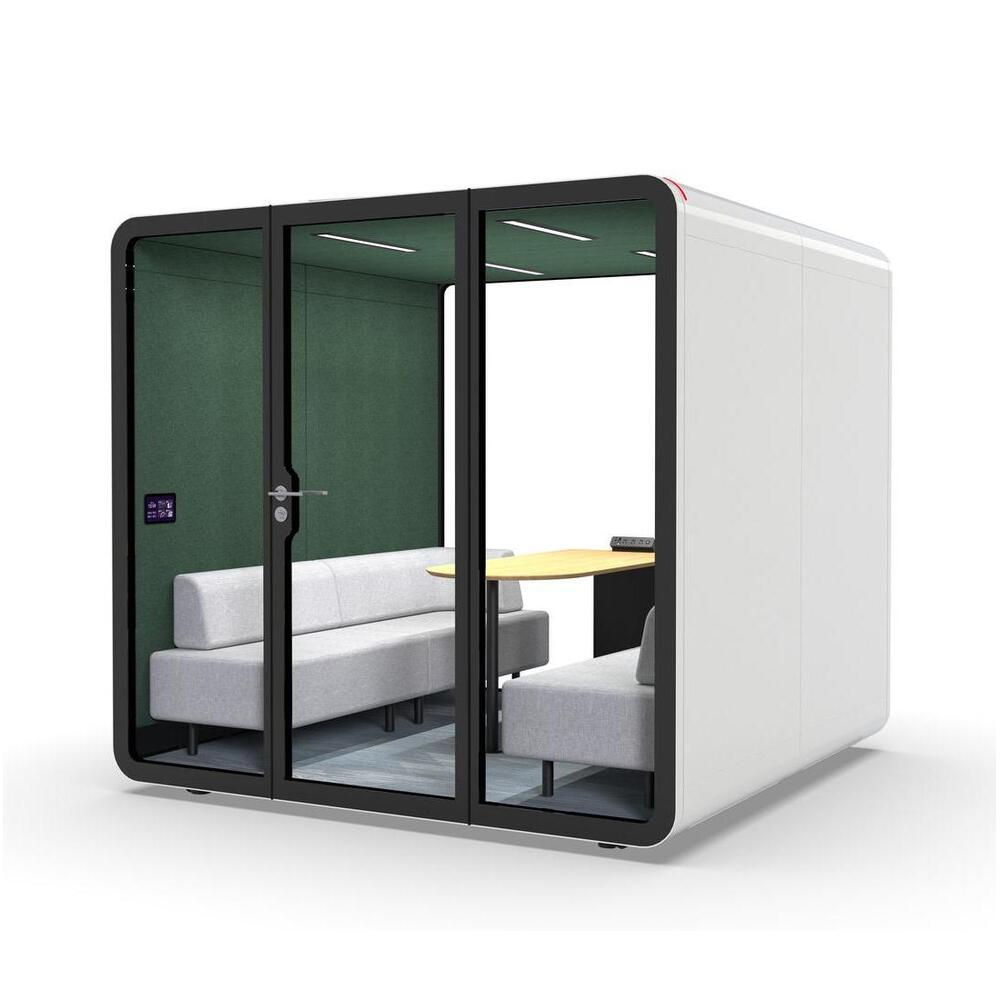
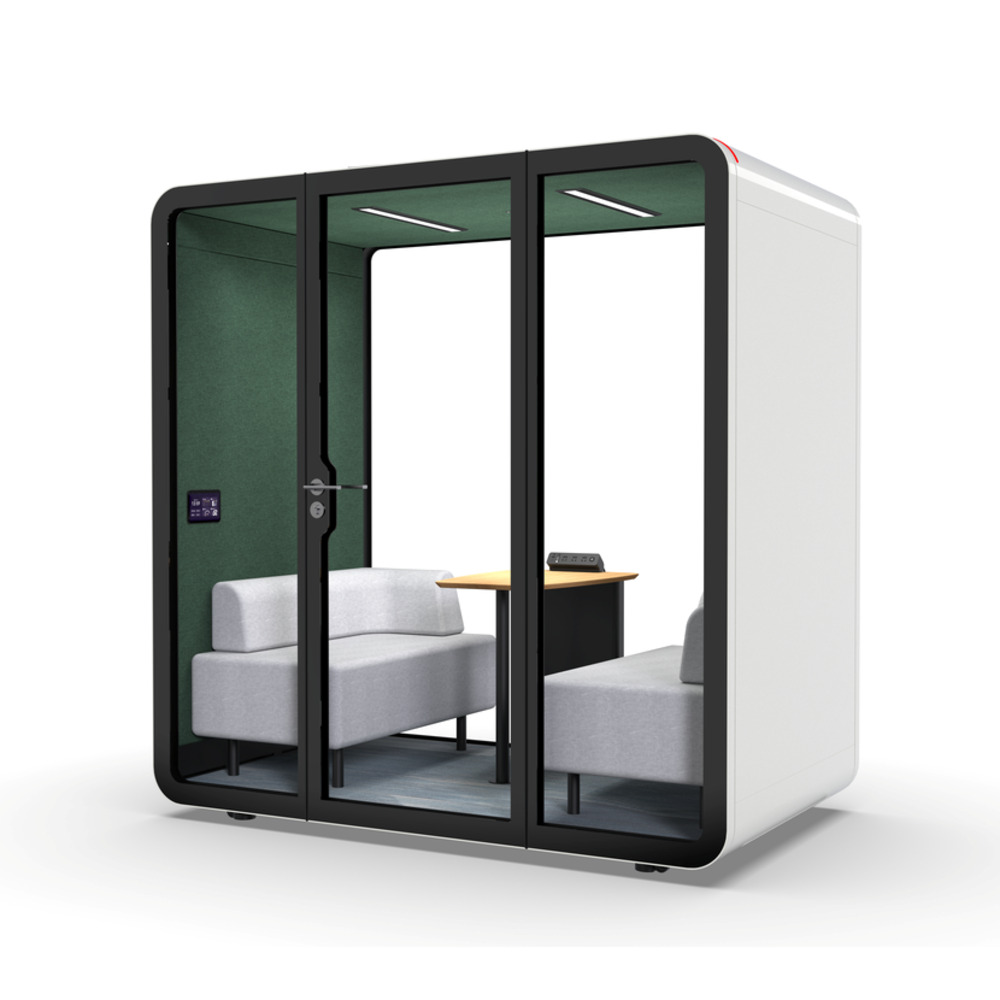
The term covers more than isolated phone booths. In a well-planned workplace, it includes single-person focus pods, video-call hubs, compact meeting booths, and larger enclosed rooms for leadership discussions or client meetings.
The strongest solutions are modular and plug-and-play. They can be introduced without major structural renovation, then moved or reconfigured as teams change. That flexibility is especially relevant when office footprints are being reviewed more frequently.
This is where specialized acoustic furniture and architectural products begin to overlap. A soundproof enclosure is not simply a box in the corner. It is part of how the workplace supports focus, confidentiality, circulation, and visual order.
Where the value shows up first
The effect of Soundproof Workspaces is usually visible in a few areas before anything else:
- Higher quality calls and virtual meetings, with less background interference.
- Better support for focused tasks such as analysis, drafting, budgeting, and review work.
- More confidence around private conversations, including HR, finance, legal, and executive discussions.
- Reduced pressure on formal meeting rooms, which are often overused for short calls.
- A calmer workplace rhythm, because people no longer need to compete with ambient noise.
These gains are practical rather than cosmetic. They improve how space performs, which is a more durable measure than surface-level design trends.
A broader shift in acoustic space design
The market has matured beyond basic office booths. Leading manufacturers now engineer premium acoustic structures across a full range of uses, from individual work pods to large executive boardrooms with strong privacy expectations.
That broader design capability matters. It shows that acoustic performance can be adapted to different risk levels, occupancy patterns, and user expectations. The same engineering logic used in office environments also transfers into specialized sectors.
For example, modular enclosures developed for airport changing lounges, private banking VIP suites, and medical-grade purification cabins reflect a deeper understanding of isolation, comfort, airflow, and user trust. In office furniture terms, that cross-industry experience often leads to more refined Soundproof Workspaces.
Choosing the right format for the floor
Not every office needs the same acoustic solution. The right choice depends on how work actually happens across the day.
In many offices, a mid-sized mix works best. A few small booths often solve more daily friction than one oversized enclosed room.
What to evaluate beyond appearance
Acoustic furniture is easy to underspecify when decisions focus only on finish, footprint, or price. A better evaluation looks at performance in use.
- Sound insulation and speech privacy under normal office conditions.
- Ventilation, lighting, and power access for longer occupancy.
- Ease of installation and whether the unit is truly plug-and-play.
- Interior ergonomics for calls, laptop work, and short meetings.
- Ability to relocate, expand, or reassign as workplace needs shift.
A compact option like TB-WH 1-2 Person Office Phone Booth fits this evaluation approach well when the need is frequent video calls or private discussions without committing space to a full meeting room.
How Soundproof Workspaces support a better office strategy
The strongest office environments do not try to make one layout serve every task. They build a clear mix of open collaboration areas, quiet work points, and enclosed acoustic settings.
Seen this way, Soundproof Workspaces are not isolated accessories. They are operating infrastructure for a modern office. They protect focus, preserve privacy, and help expensive floor space work harder across more situations.
The next step is usually straightforward: map where noise creates the most friction, identify which conversations need enclosure, and compare modular solutions by acoustic performance, occupancy type, and long-term flexibility. That process turns Soundproof Workspaces from a design idea into a measurable workplace decision.

Get real-time quotes
Interested? Leave your contact details.