
The Background Noise Paradox: Why A Quieter Office Makes Your Acoustic Office Pods "Fail"
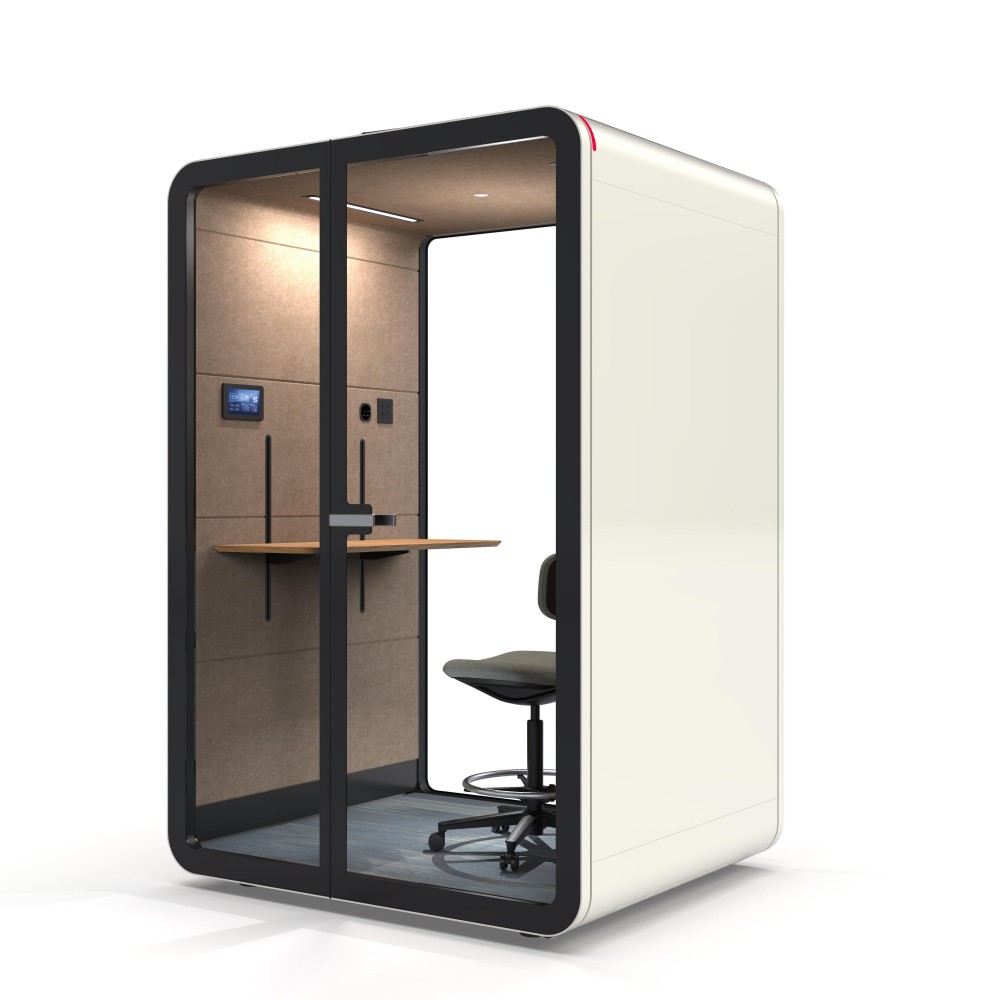
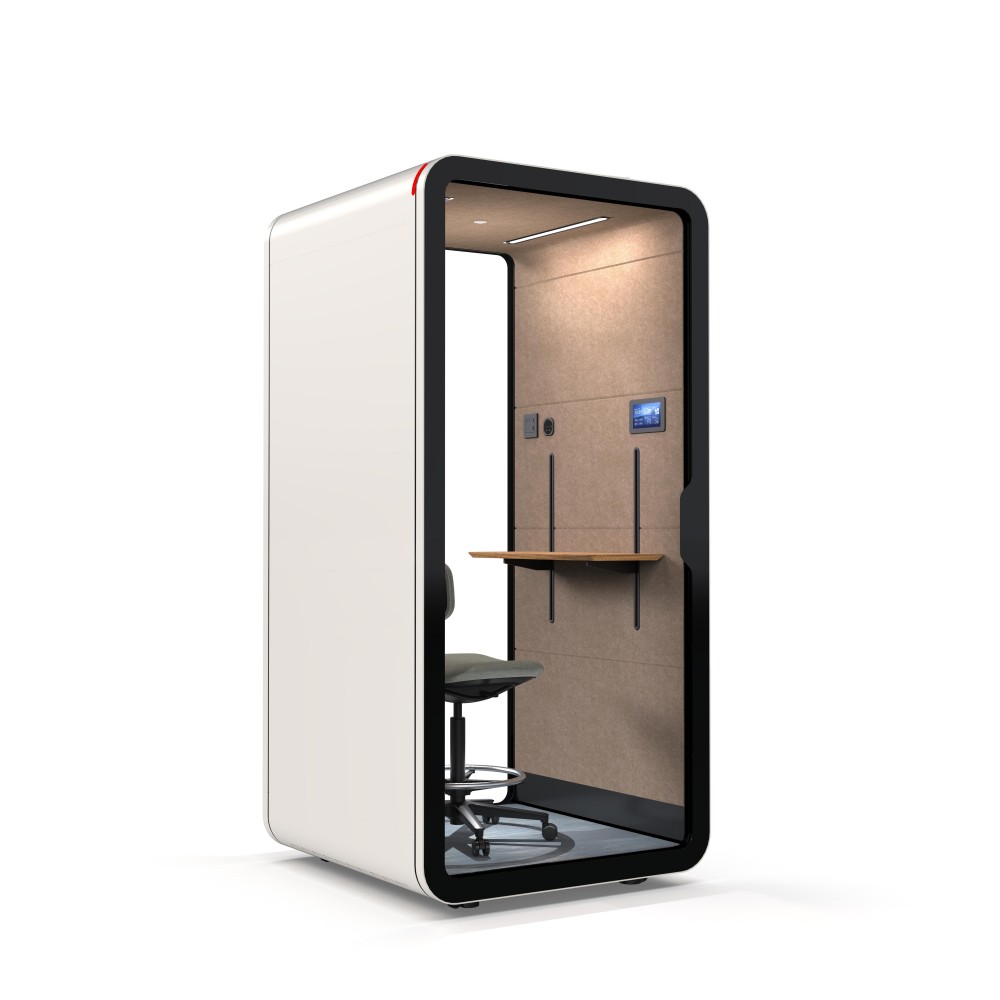
In the quest to design the ultimate workplace, modern corporate real estate and facilities teams have consistently chased two parallel targets: reducing ambient noise and introducing acoustic office pods.
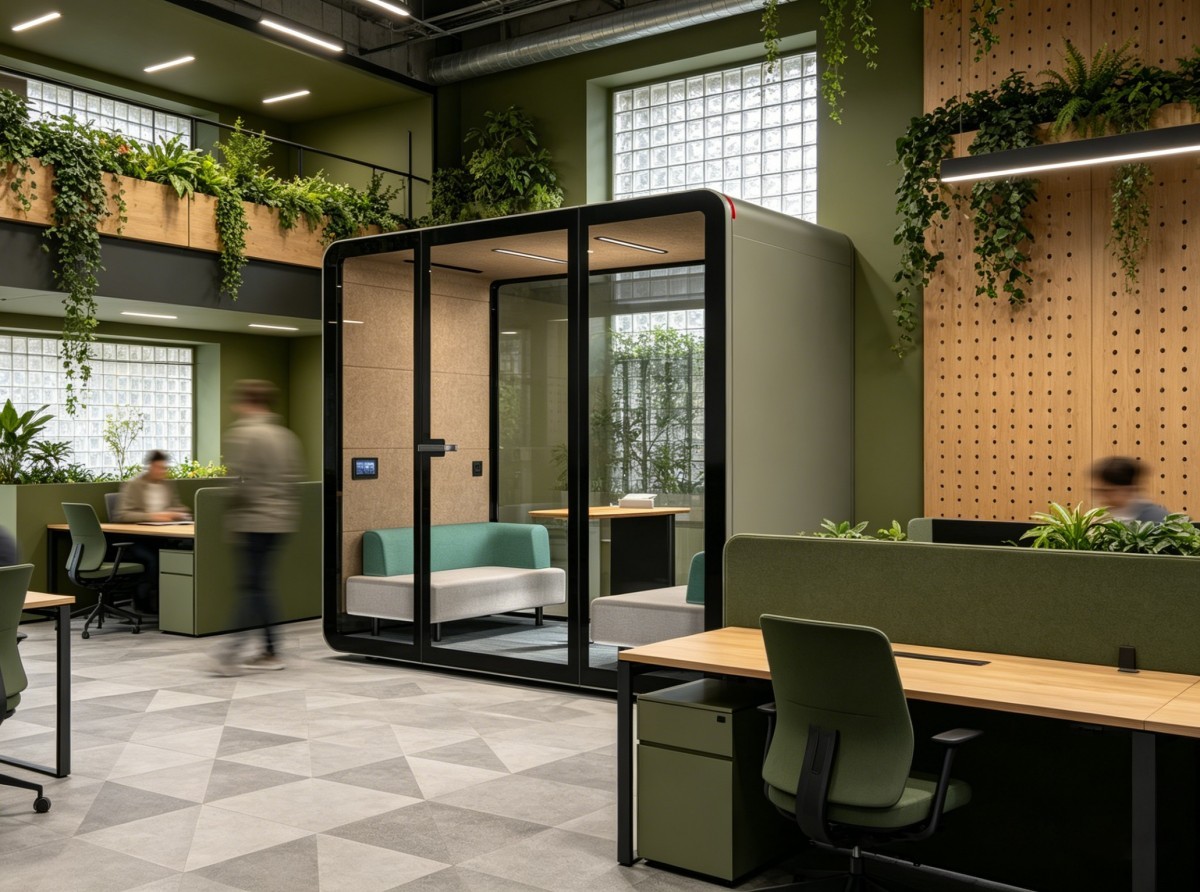
It seems entirely intuitive—to fix a noisy, distraction-filled open plan, you should make the surrounding office as quiet as a library and install top-tier acoustic office pods for confidential calls. Yet, many workplace strategists discover an incredibly frustrating paradox after move-in day: The quieter they make the main office, the more complaints they receive about acoustic pods leaking sound.
This is not a manufacturing defect, nor is it an issue with your pod's acoustic seals. It is a fundamental law of psychoacoustics. To understand why premium acoustic pods underperform in ultra-quiet zones, we must look at the hidden mechanics of the Signal-to-Noise Ratio (SNR) and the shifting threshold of human hearing.
The Physics of Privacy: Understanding Signal-to-Noise Ratio (SNR)
To an acoustic consultant, privacy isn’t measured by how much sound a structure stops; it is determined by whether the leaked sound can be understood by the human brain. This is governed by the Signal-to-Noise Ratio (SNR)—the difference between the volume of the sound source (the "Signal," or a person speaking inside the pod) and the ambient environment (the "Noise," or the background sound of the office).
SNR = Signal Level (dB) - Background Noise Level (dB)
For the human brain to successfully extract meaning from a conversation, the SNR typically needs to be positive. If the signal drops significantly below the background noise, the brain can no longer decode the syllables. The speech becomes unintelligible, and true Speech Privacy is achieved.
Let's look at how this math plays out in two radically different office environments, using a standard single-user phone pod with a real-world speech level reduction (DS,A) of 30 dB (conforming to the rigorous ISO 23351-1 Class A standard).
Scenario A: The Ultra-Quiet Library Office (30 dBA Background)
Imagine a high-end corporate office on a Friday afternoon. The HVAC is a whisper, carpets are plush, and the ambient background noise sits at a dead-quiet 30 dBA.
Inside the Pod: Normal Speech = 60dBA
Outside the Pod: Leaked Signal = 60dBA - 30dB = 30dBA
Office Ambient: Background Noise = 30dBA
Effective SNR: 30dBA - 30dBA = 0dB
The Result: At an SNR of 0 dB, the leaked speech is exactly equal to the background room noise. Because human hearing is highly attuned to the frequencies of human speech (between 250Hz and 4kHz), a coworker standing 2 to 3 meters away will easily detect the rhythm, cadence, and likely the exact words of your conversation. The pod feels like an acoustic failure.
? Workplace Tip: If you find yourself discussing highly sensitive topics inside a pod located in an ultra-quiet zone, lowering your speaking volume slightly can significantly lower the signal level and help restore privacy.
Scenario B: The Vibrant, Dynamic Office (45 dBA Background)
Now, consider a standard, active open-plan layout. Collaborative murmurs, a properly calibrated HVAC system, and distant footsteps create a gentle, steady acoustic blanket of 45 dBA.
Inside the Pod: Normal Speech = 60dBA
Outside the Pod: Leaked Signal = 60dBA - 30dB = 30dBA
Office Ambient: Background Noise = 45dBA
Effective SNR: 30dBA - 45dBA = -15dB
The Result: The leaked speech arriving outside the glass door is 30 dBA, but the room itself is 45 dBA. The signal is now 15 dB below the ambient noise floor. In the world of psychoacoustics, a negative SNR of this magnitude means the leaked words are completely swallowed by the environment. Passersby might hear a faint, untraceable murmur, but zero data is leaked. The pod is a spectacular success.
Pods are Ecosystems, Not Appliances
When evaluating acoustic pods for an upcoming office fit-out or optimization project, stop looking at the pod in isolation. An acoustic pod is not a magical void that deletes sound waves from the universe; it is a component of a larger architectural ecosystem. If your corporate real estate strategy requires high speech privacy for legal, HR, or executive calls, you must design the ambient environment to support the hardware.
Achieving true confidentiality requires a balanced, two-pronged approach:
Procure Certified Hardware: Select acoustic pods verified to strict ISO 23351-1 Class A standards to guarantee a strong baseline of passive attenuation.
Engineer the Ambient Environment: Introduce a professionally tuned Sound Masking Strategy across your open floor plate.
By scientifically managing the background noise floor, you don't make the office louder—you make the conversations invisible. Designing a workplace with a controlled ambient noise level ensures that your acoustic investments perform exactly as intended, protecting both employee focus and corporate data integrity.

Get real-time quotes
Interested? Leave your contact details.